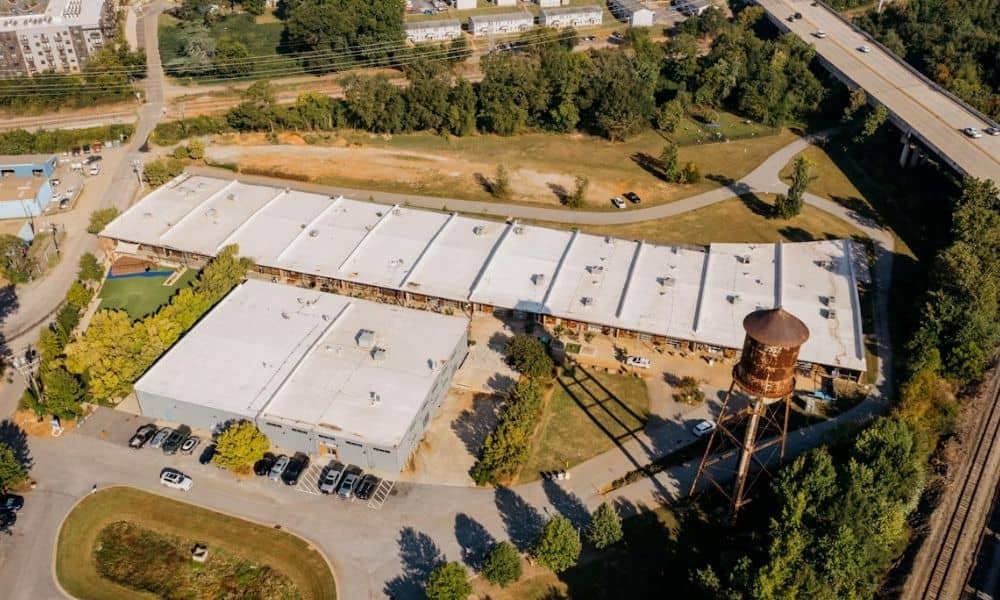
In a sale-leaseback, a business owner sells a commercial property to an investor and then keeps using the building by renting it back. The seller stays put and pays rent. The buyer becomes the new owner and the landlord. Because the deal joins a property sale with a lease that runs after closing, both sides want a clear record of the property’s physical and title condition. An ALTA land survey is one way buyers and lenders look at that condition while they do their review. Not every sale-leaseback needs one, but plenty of commercial deals include it.
Why a Sale-Leaseback Gives the Survey a Different Job
Here the survey has a narrower job than usual. It records the property as it sits while the seller is still working there. The seller does not walk away at closing. They stay on as the tenant, so the building keeps running the same day the deal closes.
The buyer is not picking up empty land. They are buying an income property that already has a business inside it. That makes the current shape of the site matter. A survey can give both sides an up-to-date look at the real estate changing hands. And since the buyer plans to own it for years, physical conditions on the ground count for both the purchase and the long haul. The survey works best when it lines up with the title work, the lender’s needs and the terms in the contract.
What the Investor Needs to Understand About the Property Before Closing
An investor is buying a working property with a tenant already in place, so the layout on the ground matters before the sale closes. An ALTA land survey helps the future owner see how the real estate actually sits. It records what is really there, not what an old plan or a listing sheet says.
A few things it can show:
- How the property lines relate to the buildings and other improvements already there
- Physical conditions that differ from what the buyer pictured
- How the site is reached and used day to day
- Improvements built close to a property line
- How the parcel sits next to the properties around it
An investor is taking on a real estate asset that comes with an ongoing lease. Knowing the physical property before closing helps that buyer understand what they are really getting. The 2026 ALTA/NSPS standards speak to matters like boundary evidence, adjoining properties and signs of possession or occupation, along with other survey items tied to title.
When the Existing Property Conditions Do Not Match the Deal
Sometimes the survey turns up something that does not match what the buyer thought they were buying. That is the most useful thing a survey can do in a sale-leaseback. It puts real field evidence in front of the buyer before the money moves.
Maybe a paved area or structure sits in a spot the buyer did not expect. Maybe the way the tenant uses the site differs from what the sale documents describe. A fence, a loading area or a paved lane might raise a question that the parties want cleared up first. The buyer’s read of the property can differ from what the surveyor finds in the field.
When that happens, the survey gives the deal team something concrete to talk about before they move ahead. A survey does not decide whether a lease holds up in court, and it does not settle every title question. Its job is to supply survey-related facts. The buyer, the attorneys and the title company weigh those facts next to the title and legal records.
Coordinating the Survey With the Sale-Leaseback Team
A good survey depends on the surveyor getting the right details from the people in the deal. One party rarely has everything. The sale, the lease and the title work all touch the same property, so the surveyor may need input from the buyer or investor, the seller, the title company, the lender when there is one, the attorneys and other professionals working on the deal.
The 2026 ALTA/NSPS standards put weight on this kind of teamwork. They call for coordination among the client, the insurer, the insured party, the lender and the surveyor. The survey request should also name which ALTA/NSPS standard applies and list the optional Table A items the client wants. Table A is a menu of extra items a client can ask the surveyor to show. It helps to set the scope early, before fieldwork starts. That matters most when the property has unusual features or interests, since the 2026 standards note that some properties call for extra talk about what the survey should cover.
Why Timing Matters Before an Investment Property Closes
Start the survey early enough that the deal schedule can handle any questions it raises. A sale-leaseback runs on a timeline, and a survey ordered at the last minute can leave the parties boxed in. Give the surveyor the property and deal details they need up front.
Build in time for everyone to read the finished survey. If a finding needs follow-up, the team wants room to sort it out before closing, not after. Confirm which ALTA/NSPS standard applies to the survey you order. For a survey that starts under the current rules, that means the 2026 ALTA/NSPS standards. For investors and the businesses selling to them, a little lead time keeps the survey from becoming the reason a closing slips.