You’re buying or financing a piece of land that wasn’t its own parcel a few months ago. A larger lot may have been split, or a developer may have just recorded a new plat. Your lender wants a loan closing survey before the loan funds, and the settlement date is already set. On a brand-new parcel, much of the work happens before anyone sets up equipment. The surveyor, lender and title company all need records that describe the same piece of ground. In Baltimore, where most buyers hear the closing called “settlement,” that record check is worth starting weeks ahead.
When a New Parcel Is Actually Ready for Loan Closing
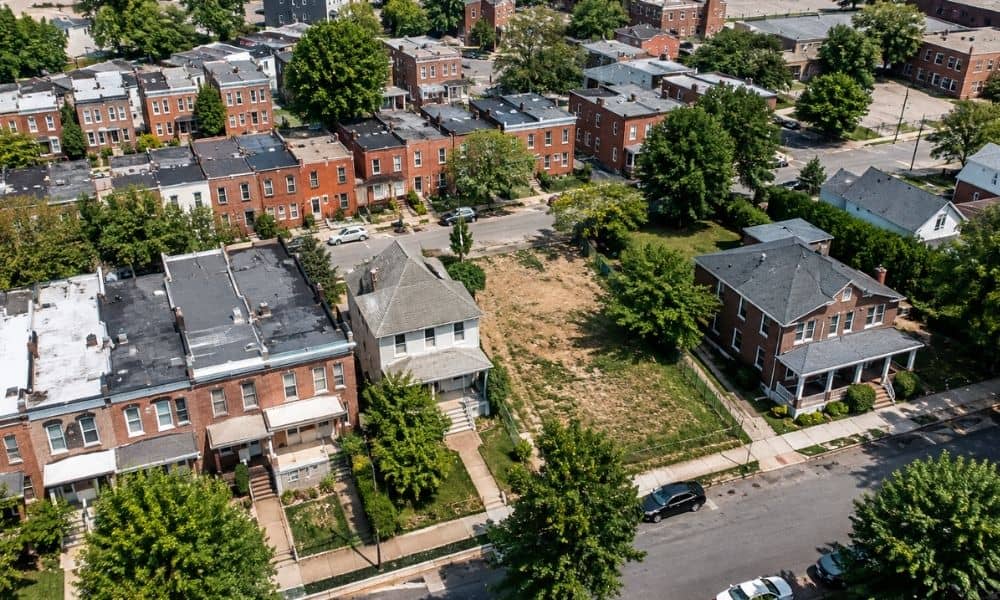
A new parcel is ready for a loan closing survey once its creation is final and recorded. That usually means the lot split or subdivision has approval, the plat or deed that created it is on record, and the legal description matches that record. Until then, the parcel may exist on a drawing but not in the land records.
Approval and recording are two separate steps. A planning office may approve a lot split well before anyone records it. Lenders and title companies generally look for the recorded version, so a survey based only on an approved drawing may need an update later.
In Maryland, deeds and plats are recorded with the clerk of the circuit court. Baltimore City and Baltimore County each have their own circuit court and land records. Your title company can tell you which office holds the plat and whether it has a recording reference yet. If the plat is still in review, ask the surveyor whether to wait or start research now.
Matching the Survey to the Closing Property Description
The loan closing survey should describe the same parcel named in the deed, the title commitment and the loan papers. When those records disagree, a closing can stall. New parcels raise the odds of a mismatch because an old description may still sit in someone’s file.
That old description usually belongs to the parent tract. A parent tract is the larger property the new parcel came from. Title work that started before the split may still quote it, while the survey follows the new plat or new deed. Ask your title company which description it plans to insure and give that same version to the surveyor.
Small details count here. Lot numbers, plat book and page references, acreage and street frontage should read the same across every record. If the surveyor finds that a new description doesn’t close on paper or conflicts with the plat, the surveyor can flag it. The attorney or title company usually handles any fix to the wording.
Newly Created Parcels Can Create Last-Minute Document Gaps
Records for a new parcel often update at different speeds. The plat may be recorded while the tax record still shows the parent tract. These gaps tend to show up right before closing, when everyone reviews the file at once. Common ones include:
- A tax account that still lists the parent tract instead of the new lot
- No assigned street address yet
- A title commitment written before the plat was recorded
- Plat easements that don’t appear in the title exceptions
- Lot corners that haven’t been marked in the field
Maryland’s State Department of Assessments and Taxation keeps property assessment records and account numbers. A new lot may take time to show up there as its own account. That delay doesn’t move the boundary, but it can confuse someone reading the loan file. Tell your surveyor about any gap you spot so the survey can point back to the recorded plat.
Confirming Access and Easements Before the Loan Funds
Lenders want to see that the parcel can be reached and that nothing on the ground conflicts with recorded rights. Access deserves a close look on a newly created lot. A parcel split off the back of a larger property may reach the street only through a shared driveway or an access easement.
An easement is a recorded right that lets someone use part of a property for a set purpose. Common examples are driveways, utility lines and drainage paths. A new plat often creates fresh easements, and older ones from the parent tract may still apply. The surveyor can show recorded easements supplied through the title commitment or plat, along with visible signs of use like a worn path or a utility pole.
Compare the access route on the survey with what the loan file describes. If the lot depends on a neighbor’s driveway, the lender may ask for the recorded agreement. Sorting that out before funding is much simpler than fixing it after.
What to Send the Surveyor Before a Closing
A complete order is the quickest route to a usable loan closing survey. Send the surveyor the same records the lender and title company will rely on. Missing pieces often mean follow-up calls and lost days.
Start with the recorded plat or new deed, including the book and page or instrument number. Add the title commitment and its list of exceptions. Include written survey requirements from your lender if you have them. Share the settlement date and the names of the lender, title company and settlement attorney. Also list the parties the survey should be certified to, meaning the people and companies the surveyor states the survey was prepared for.
Tell the surveyor whether the parcel sits in Baltimore City or Baltimore County, since each keeps separate land records. Mention any plat changes still in progress. That context helps the surveyor plan research and fieldwork. It also shows everyone early whether the settlement date is realistic.
Frequently Asked Questions
Can a loan closing survey be ordered before the new parcel receives its final address?
Usually, yes. A street address helps people find the property, but the surveyor defines the land from the recorded plat, deed description and title commitment. Once the address is assigned, the lender or title company may ask for the survey to show it.
Who should receive copies of the completed loan closing survey?
The client who ordered the survey typically gets it first. Copies often go to the lender, title company and settlement attorney, based on the order and closing instructions. Give the surveyor that list when you place the order so nobody waits on it during settlement week.
Can one survey cover two newly created parcels in the same transaction?
That depends on what the loan covers and what the lender and title company require. Some deals finance two lots together, and one drawing may show both. Others treat each lot as separate collateral with its own description. Ask both parties how they want the lots shown before work begins.