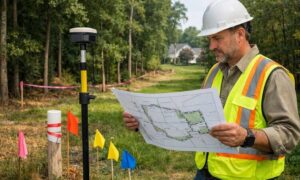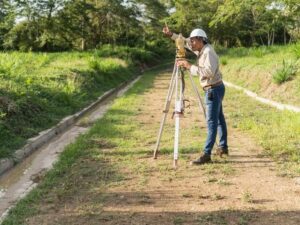
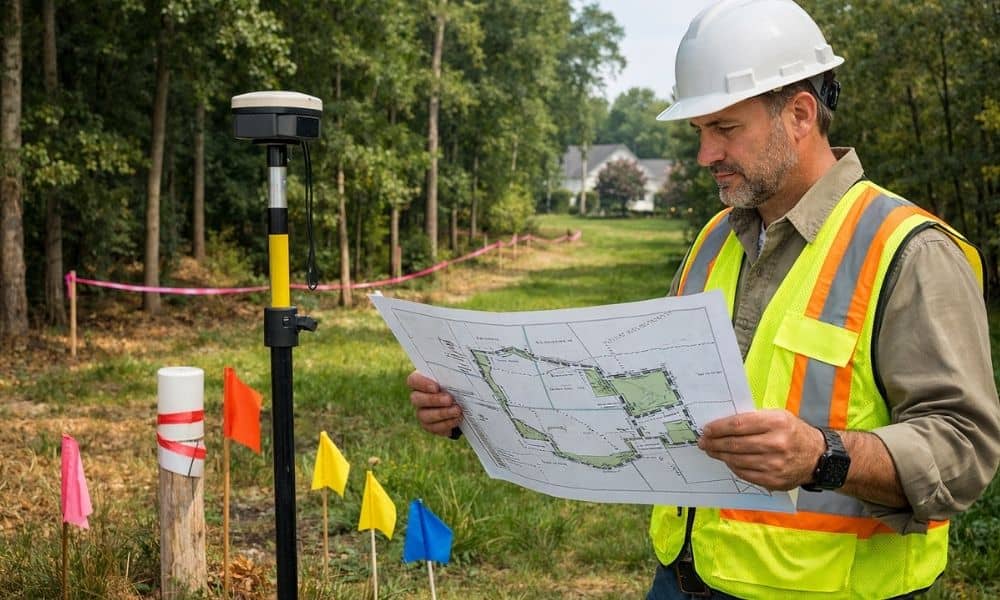
Yes, a land survey can reveal many easements on a property, but not all of them. Some easements appear clearly in public records and show up on a survey map. Others are informal, unrecorded, or based on long-standing use, and those require a deeper look beyond standard survey work.
If you are developing land, understanding what a survey can and cannot tell you about easements is critical before you finalize any plans.
Why Some Easements Are Easy to Find While Others Are Not
Not all easements are created equal. Some are neatly documented. Others are buried in old deeds or exist simply because someone has been using a path for decades.
Recorded easements are the easiest to find. These are formally written into deeds or plats and filed with the county. A surveyor can locate these through public records searches. They are the most common type found during a standard survey.
Unrecorded easements are trickier. These may have been agreed upon verbally between neighbors years ago. They exist, but they are not in any file at the courthouse. A survey alone may not surface them.
Prescriptive easements are even harder to pin down. These form when someone uses another person’s land openly and continuously for a long period without permission. Under Maryland law, that use can eventually create a legal right. A surveyor may see physical signs of this use in the field, but confirming the legal status requires more than a survey.
Historic access rights are common in older Maryland subdivisions and rural areas. Shared driveways in older Baltimore neighborhoods, for example, often have informal access arrangements that go back generations. Waterfront properties along the Chesapeake Bay sometimes carry historic access rights tied to fishing or boating that never made it into formal documents.
The takeaway: if an easement was never recorded, a survey may point to it but cannot confirm it legally.
What Surveyors Review When Investigating Easement Questions
When a surveyor investigates easement questions, they pull from several sources of information.
- Plats: Subdivision plats often show easements graphically. Utility easements, access strips, and drainage corridors are frequently labeled directly on the plat.
- Deeds: A deed may reference an easement in its legal description. Surveyors read through deeds carefully to find these references.
- Subdivision records: Older subdivisions in Maryland sometimes have covenants or notes attached to the recorded plat that describe shared access or maintenance responsibilities.
- Right-of-way documents: These are common along state and county roads. They describe how much land the government can use along a road edge.
- Title information: Surveyors often coordinate with title professionals when a property has a complex ownership history. The Maryland State Archives maintains historical land records going back centuries, and these records can surface easements that a standard search might miss.
When these sources are reviewed together, a much clearer picture of easement rights starts to form. Each piece adds context to what the field data shows.
Easement Clues That Can Be Seen During Field Work
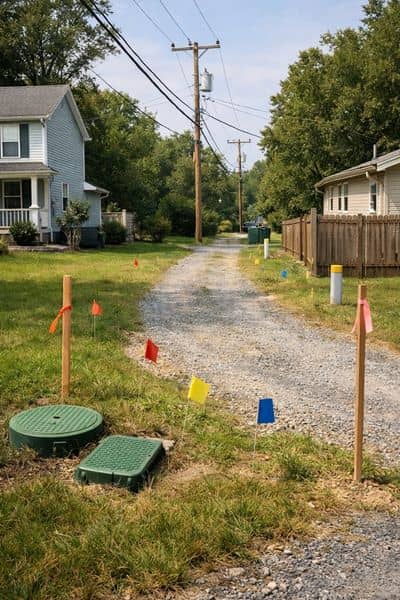
Sometimes the land itself tells a story. Surveyors are trained to spot physical signs that suggest an easement may exist, even when records are incomplete.
Common field clues include:
- Utility corridors: Power lines, buried gas lines, and water mains often run through easements. Markers and above-ground equipment can indicate where these corridors run.
- Access roads and worn paths: A gravel lane crossing a property that leads to a neighboring parcel may indicate an access easement, especially if it appears on aerial photos over many years.
- Drainage channels: Constructed swales or pipes that cross property lines may have formal drainage easements tied to them.
- Shared driveways: Two properties using one driveway is a common scenario in Maryland’s older suburbs and urban neighborhoods.
- Utility markers and flags: These often mark the path of underground infrastructure tied to recorded or unrecorded easements.
Seeing these features in the field is valuable information. But physical evidence alone does not establish a legal right. A worn path is not automatically a prescriptive easement. Documentation and legal review are still needed to confirm enforceable rights.
Maryland Property Situations Where Easements Often Create Surprises
Maryland has a mix of urban, suburban, and rural landscapes. Each comes with its own easement challenges.
Chesapeake Bay and waterfront access: Properties along the Bay or its tributaries often carry public or private access rights tied to the water. Riparian rights, fishing access, and historic boat launch areas can all create easements that affect development plans.
Older Baltimore-area neighborhoods: Rowhouse neighborhoods and older suburbs frequently have rear-alley easements, shared party walls, and informal access agreements that date back over a century. These may not appear in modern deed references.
Rural properties with shared farm lanes: In western Maryland and the Eastern Shore, it is common for two or more farm parcels to share a single lane for access. These arrangements are often informal and may not appear in county records, even if they have been in use for generations.
Utility corridors crossing residential lots: High-voltage transmission lines and major pipeline easements cross residential land throughout the state. These are usually recorded, but their exact location and width need to be confirmed before any grading or construction begins.
Access routes serving landlocked parcels: Maryland has landlocked parcels in many rural counties. The access routes that serve them may be formal easements or may be matters of ongoing dispute. Either way, a survey is a necessary first step to understanding the situation.
What a Survey Can Reveal, and What It Cannot Confirm
A land survey is a powerful tool for developers. It can do a lot. But it has limits.
What a survey can reveal:
- Recorded easements shown on plats or referenced in deeds
- Physical evidence of use that suggests an easement may exist
- The approximate location and width of utility corridors
- Access routes serving adjacent or landlocked parcels
- Drainage features that may carry easement rights
What a survey cannot confirm on its own:
- Whether an unrecorded easement is legally enforceable
- The full history of prescriptive use or adverse claims
- How a court would interpret conflicting or ambiguous easement language
- Whether an informal access arrangement will hold up legally
Determining enforceable easement rights often requires a title review and, in some cases, legal analysis. A surveyor can show you where things are on the ground and what the records say. A title professional and an attorney can tell you what those rights actually mean for your project.
For developers, the smart move is to treat a survey as the starting point, not the finish line.
Frequently Asked Questions
1. Can a land survey show all easements on a property?
A survey can show recorded easements and physical evidence of possible unrecorded ones. It cannot confirm all easements, particularly those that are unrecorded, informal, or based on prescriptive use. A title search and legal review are often needed alongside the survey.
2. What is the difference between a recorded and an unrecorded easement?
A recorded easement is formally filed with the county and appears in public records. An unrecorded easement may exist based on verbal agreements or long-term use, but it does not appear in official documents. Unrecorded easements are harder to find and require additional investigation.
3. Are easements common on Maryland waterfront properties?
Yes. Properties along the Chesapeake Bay and its tributaries often carry historic access rights, riparian rights, or public access easements tied to the water. These can affect where you can build and what you can restrict.
4. Does physical evidence of an easement mean it is legally valid?
Not necessarily. A worn path, shared driveway, or utility corridor may indicate an easement exists, but physical evidence alone does not create or confirm a legal right. Documentation and legal review are still required.
5. When should a developer order a survey specifically to check for easements?
Before purchasing land, before starting site design, and before applying for permits. Knowing about easements early prevents costly design changes, legal disputes, and project delays.